ROLE OF SANDALWOOD SOCIETY OF INDIA
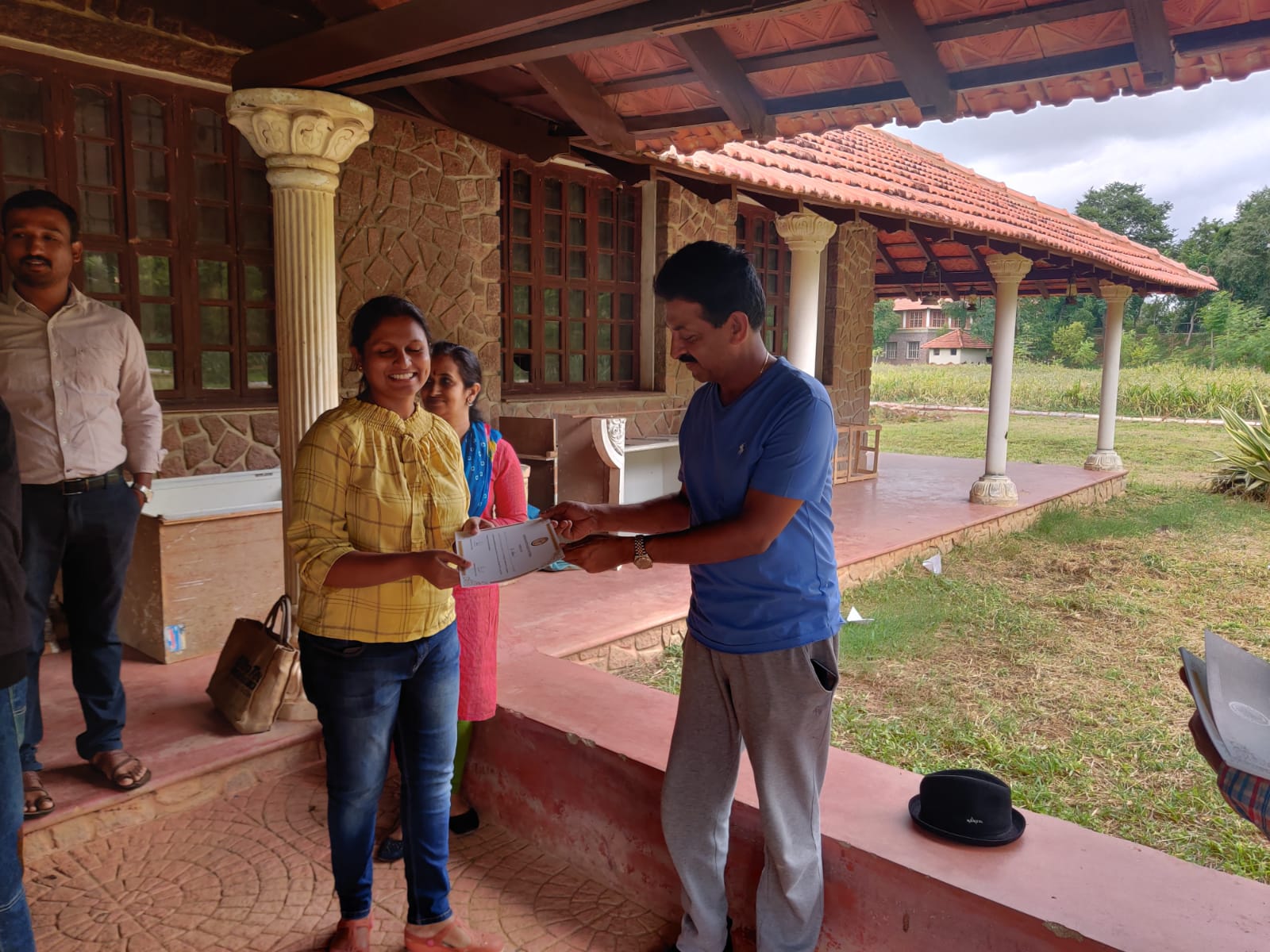
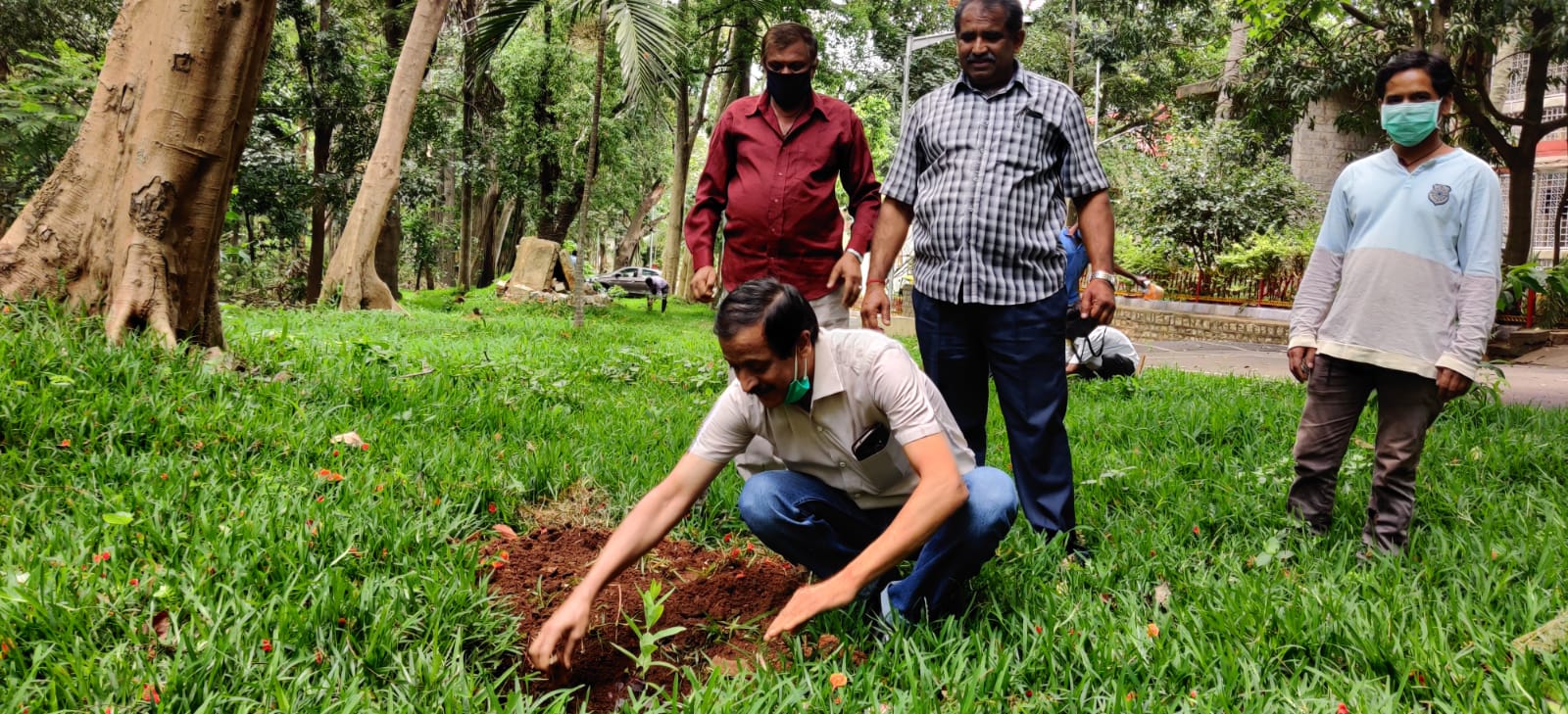
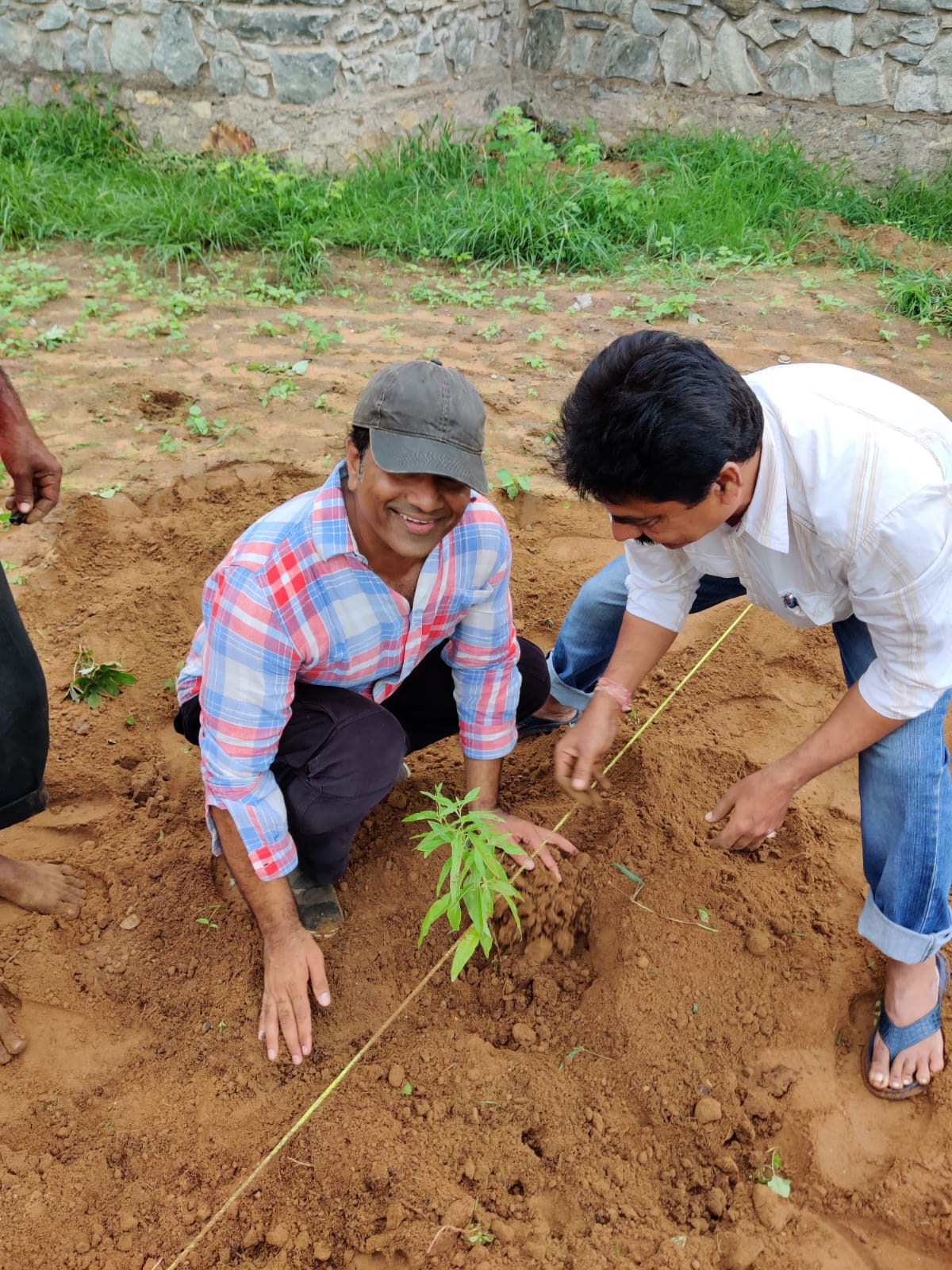
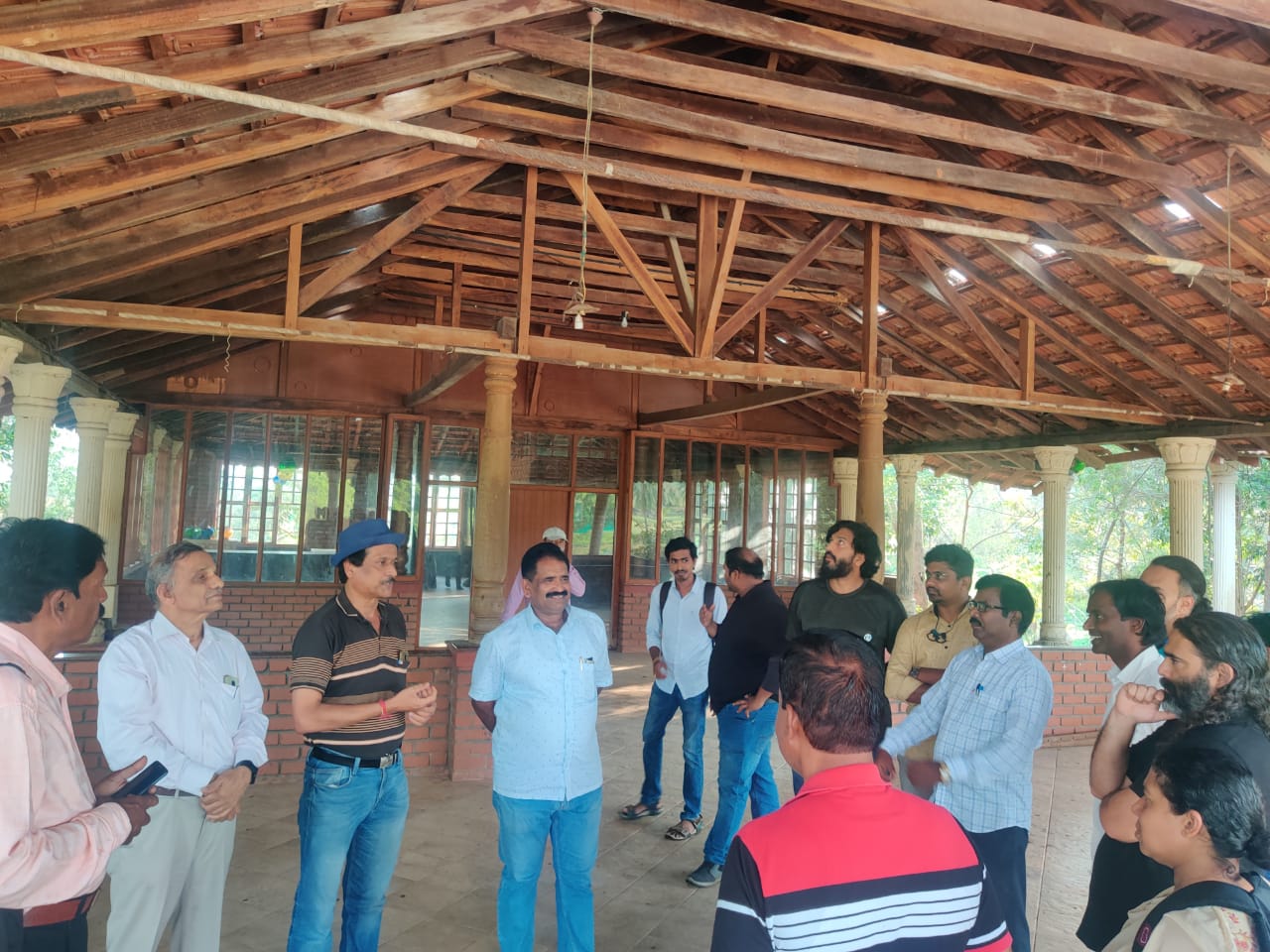
To give more impetus to this prime species of our country, the Sandalwood Society of India has been formed with the objectives of providing an opportunity and a platform for the farmers to interact with the professionals and with the industry.
This forum would address various qualitatitive and quantitative enhancement techniques of the Sandalwood production and its usage through holistic development in various parts of the country. Our society is a non-profit organization with the Focus on production, utility, educational. research & developmental activities related sandalwood and allied species.
Today, the price for sandalwood has crossed Rs. 9500 per kilogram due to continuous involvement of our society, meetings with government etc. It is at the request of SWSI. the lengthy process involving 16 classifications are being brought down to merely 3 classifications. It is due to these visible efforts, the farmers from all across the country showing tremendous interest in cultivating this species on their farmlands. It is at this juncture that the Sandalwood Society of India (SWSI) came into existence in full swing. The Society was established during 2015 in order to facilitate sandalwood cultivation and utilization in the country. Landholding farmers for obtaining the right planting material, providing technical services for better silvicultural operations. advising on the right protection measures, understanding issues on the ground and bringing them up to the concerned stakeholders, providing a platform for interaction between all the stakeholders , and promoting research in the subject are some of the objectives of SWSI.
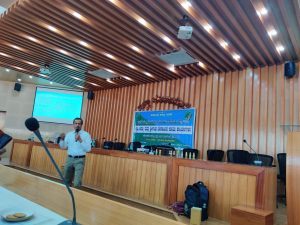
The growers’ meet happens two times a year after event that started in 2015. Some of the important issues that the farmers are facing today are listed hereunder.
While it is heartening to learn that some of the earliest plantations raised are coming to harvest, it is quite depressing to understand that the farmers are not setting attractive prices. This can have serious bearings on the future of sandal wood cultivation in India. Here, the manner in which price is decided needs to be understood. Harvested sandalwood is graded on the basis of size.
- There are 16 possible grades that were established during Tipu Sultan’s regime, a period when the forests were resplendent with sandalwood, and when no farmer cultivated it. Trees aged over hundred years were available in the forests then. Today, there arena trees available neither in the wild nor with farmers that qualify anywhere among the top ten grades. Considering that the price is decided based on the grades (approx Rs.9500 for the highest to Rs. 750 for the lowest grade).
- While farmers were given permission to grow privately, farmers started asking suitable protection mechanisms against illegal tree felling, theft and unauthorized entry etc.
- Farmers also wanted financial assistance in the form of subsidy and or loans / insurance from nationalized banks to makesure they continue to keep healthy plantation.
- Farmers also wanted avallab1hty of quality saplings
Farmers also concerned on the problems being faced an the issuance of license to harvest primarily due to interference of different departments. This 18 a big
discouraging factor.